

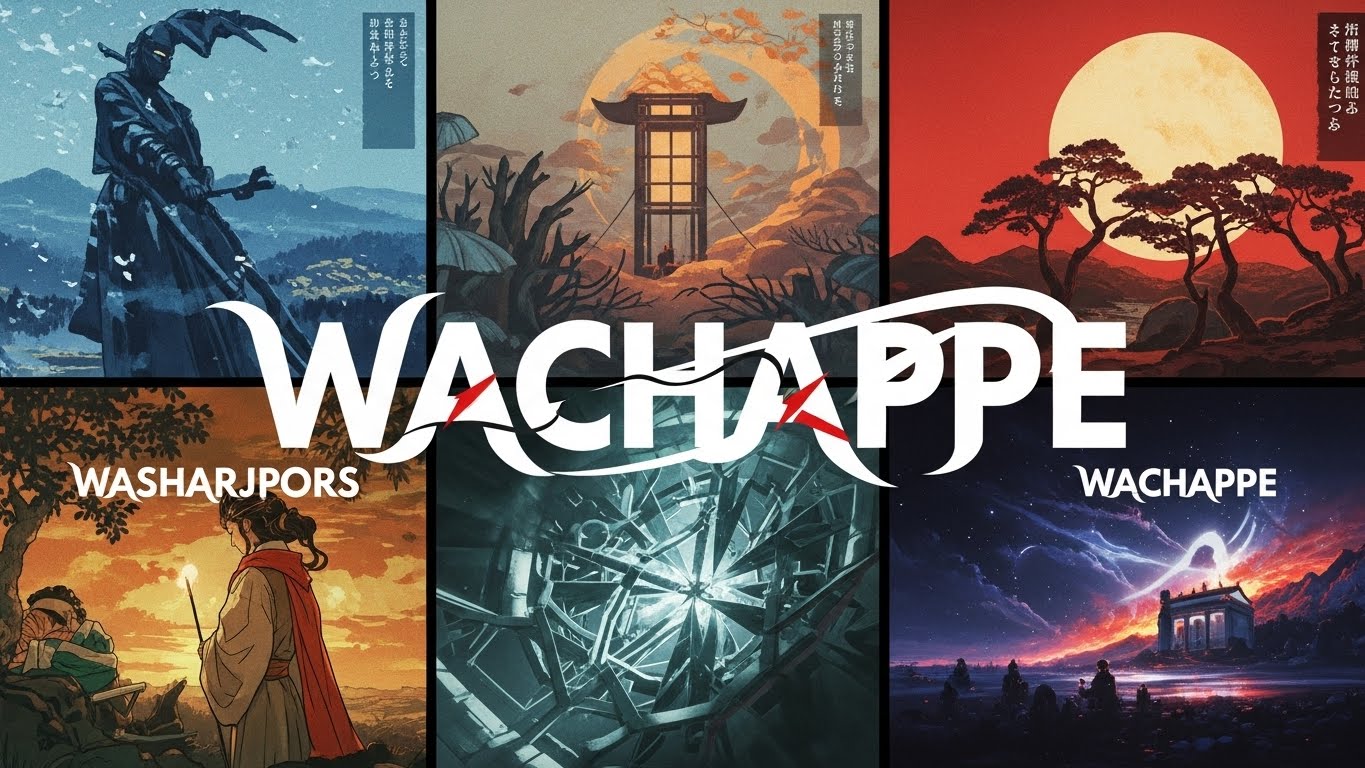
Wachappe is more than just an art form; it’s a vibrant expression of creativity that captivates both the mind and spirit. Imagine a world where colors dance, techniques intertwine, and inspirations flow freely from the heart. This unique practice invites you to explore not only your artistic side but also deeper connections with yourself and others. If you’ve ever felt the urge to create or simply appreciate beauty in all its forms, Wachappe may be calling your name. Join us as we delve into its rich history, essential techniques, and what makes this art form so special today. Whether you’re a seasoned artist or just curious about new creative outlets, there’s something here for everyone eager to dive into the enchanting realm of Wachappe.
History and Origins of Wachappe
Wachappe has a rich tapestry of history woven through its origins. This dynamic art form emerged in the early 20th century, influenced by various cultural movements.
Its roots can be traced to traditional craftsmanship found within indigenous communities. The techniques and styles were often passed down through generations, preserving ancient knowledge while adapting to modern influences.
As globalization took hold, Wachappe began absorbing elements from different artistic expressions around the world. This fusion allowed it to grow and evolve into a unique genre that resonates with many today.
Key figures played significant roles in its development, pushing boundaries and inspiring new artists. Their contributions helped shape Wachappe’s identity as both an art form and a means of cultural expression.
Today, Wachappe continues to thrive, reflecting the diverse experiences and stories of those who practice it.
Key Techniques and Styles of Wachappe
Wachappe boasts a rich variety of techniques and styles, each contributing to its unique allure. One popular technique is layering, where artists blend various colors and textures to create depth in their work.
Another essential method is the use of contrast. This involves juxtaposing light and dark elements or soft and hard edges to draw attention to specific areas. It adds dynamism that captivates viewers’ eyes.
Fluid movements are also key in Wachappe. Artists often utilize sweeping strokes that evoke emotion, making the piece feel alive.
Styles can range from abstract interpretations to more structured forms influenced by traditional art practices. Each artist brings their personal touch, resulting in an eclectic mix that keeps evolving over time.
Moreover, incorporating mixed media enhances creativity within Wachappe. By combining different materials like fabric or paper with paint, artists push boundaries and explore new dimensions.
Inspirations and Influences on Wachappe
Wachappe thrives on a rich tapestry of inspirations that span cultures and time periods. Its essence draws from traditional art forms, where natural elements intertwine with human expression.
Nature plays a pivotal role in shaping Wachappe’s aesthetic. The colors and textures found in landscapes often inspire artists to translate the beauty around them into their work. This connection invites viewers to appreciate the world anew.
Cultural narratives also embed themselves within Wachappe, reflecting stories passed down through generations. These tales infuse depth and meaning, allowing each piece to resonate on multiple levels.
Moreover, contemporary influences cannot be ignored. Modern techniques and digital advancements have ushered in new possibilities for creativity within Wachappe. Artists blend old traditions with fresh perspectives, pushing boundaries while honoring their roots.
This interplay of past and present fuels an ever-evolving dialogue among creators, making Wachappe a dynamic form of artistic expression.
How to Get Started with Wachappe
Getting started with Wachappe is both exciting and rewarding. First, set aside a dedicated space where you can immerse yourself in practice without distractions.
Next, gather the essential tools. Depending on your focus within Wachappe, this might include specific materials or instruments that resonate with you. Quality over quantity matters here.
Start by exploring tutorials online or engaging with communities focused on Wachappe. These resources can provide foundational knowledge and inspire your creativity.
Don’t forget to allow yourself to experiment freely. Try different techniques and styles; there’s no right or wrong approach at this stage.
Consistency is key as you begin your journey. Set realistic goals that keep you motivated while allowing room for growth and exploration in the art of Wachappe.
Benefits of Practicing Wachappe
Practicing Wachappe offers a multitude of benefits that extend beyond the artistic realm. It encourages mindfulness, allowing practitioners to immerse themselves fully in the creative process. This focus can lead to reduced stress and enhanced mental clarity.
Wachappe also fosters self-expression. Through its various techniques, individuals can convey emotions and thoughts that may be hard to articulate verbally. This form of communication nurtures personal growth and emotional intelligence.
Additionally, engaging regularly with Wachappe cultivates patience and discipline. As one hones their skills over time, they develop a deeper appreciation for the art itself.
Social connections often blossom from shared interests in Wachappe as well. Joining classes or workshops creates opportunities for collaboration and friendship among enthusiasts who share similar passions.
The physical aspects involved in creating art through Wachappe promote fine motor skills too, enhancing hand-eye coordination while keeping your mind active.
Tips for Mastering Wachappe
To master Wachappe, start by immersing yourself in its techniques. Watch tutorials and learn from experienced practitioners. Observe their movements carefully.
Practice consistently. Set aside time each day to refine your skills. Repetition builds muscle memory and confidence.
Experiment with different styles. Don’t hesitate to explore variations that resonate with you personally. This will help develop your unique expression within Wachappe.
Join a community or find a mentor who can provide guidance and feedback. Engaging with others fosters growth and inspiration.
Keep an open mind about failure; it’s part of the learning process. Each mistake is an opportunity for improvement.
Stay patient throughout your journey. Mastery takes time, dedication, and passion—embrace every moment as part of the experience you’re creating in Wachappe.
Common Misconceptions about Wachappe
Many people misunderstand Wachappe, often thinking it’s solely about specific techniques or rigid styles. In reality, it’s a fluid art form that embraces creativity and personal expression.
Another misconception is that Wachappe requires years of formal training to master. While practice enhances skill, anyone can start at any level and enjoy the process.
Some believe it is only for professionals in artistic fields. However, Wachappe welcomes enthusiasts from all walks of life—hobbyists included. It’s about sharing passion rather than adhering to strict standards.
Additionally, many think that inspiration must come from traditional sources alone. Yet modern influences play a significant role in shaping new interpretations within this art form.
Some assume there are fixed rules governing what constitutes true Wachappe. Embracing flexibility allows artists to push boundaries and redefine what this vibrant practice means today.
The Future of Wachappe
The future of Wachappe holds exciting possibilities. As more people discover its rich history and intricate techniques, the community is likely to grow. This growth will foster innovation while preserving traditional practices.
Technology may play a vital role in shaping Wachappe’s journey. Virtual workshops and online tutorials can connect enthusiasts globally, allowing for the exchange of ideas and styles.
Emerging artists are also poised to push boundaries. They might blend Wachappe with contemporary art forms, creating fresh interpretations that appeal to younger generations.
Sustainability could become a focal point as well. Artists may increasingly seek eco-friendly materials, reflecting a broader cultural shift towards environmental consciousness.
Collaboration across disciplines—like music or dance—could inspire new creative expressions within this art form too. Such interactions promise to enrich Wachappe’s landscape further and ensure it remains relevant for years to come.
Conclusion
Wachappe is more than just a technique; it’s a vibrant expression of culture and creativity. As you explore its history, techniques, and inspirations, you’ll uncover the depth behind this art form. Each stroke or movement carries meaning, reflecting the influences that have shaped it over time.
Starting your journey in is both exciting and rewarding. With practice comes mastery, allowing you to connect with the essence of this art form on a deeper level. Embracing not only enhances your skills but also offers numerous benefits for personal growth and self-expression.
As you delve into Wachappe’s world, remember to challenge common misconceptions while remaining open to new interpretations. The future of holds endless possibilities as artists continue to innovate and inspire one another.
Engaging with Wakchappе opens doors to creativity that can transform how we see our surroundings. Whether you’re looking for a new hobby or seeking inspiration from an ancient tradition, there’s always something extraordinary waiting within each brushstroke or movement in this captivating art form.