

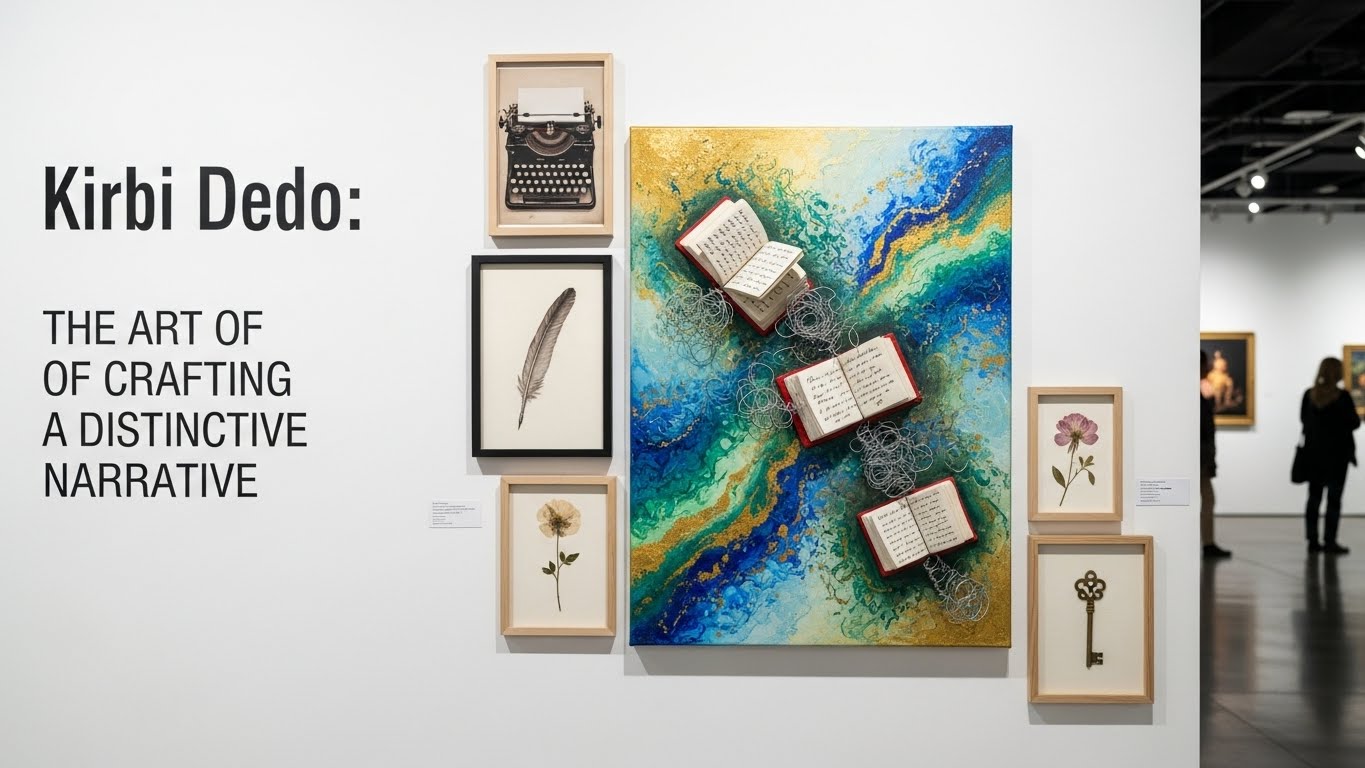
Welcome to the captivating world of Kirbi Dedo, where storytelling transcends mere words and transforms into an art form. Imagine weaving together emotions, experiences, and vibrant imagery to create a narrative that resonates deeply with your audience. This unique approach not only engages readers but also leaves them craving more. Whether you’re an aspiring writer or just someone who appreciates the power of a good story, understanding Kirbi Dedo can elevate your narrative skills to new heights. Let’s explore this enchanting craft and uncover what makes it so distinctive in today’s storytelling landscape.
The Origins and Evolution of the Art form
Kirbi Dedo has roots that stretch back to ancient storytelling traditions. It emerged as a way for communities to share their experiences, dreams, and values through vivid narratives. This art form was initially passed down orally, captivating listeners with its imaginative flair.
As societies evolved, so did Kirbi Dedo. Written forms began to appear in manuscripts and later printed texts. Each iteration introduced new techniques and styles reflecting the culture of the time.
In modern contexts, digital platforms have transformed Kirbi Dedo into an interactive experience. Writers now utilize multimedia elements like video and sound to enhance their stories.
This evolution showcases not just a change in medium but also a shift in audience engagement—inviting them deeper into the narrative than ever before. The essence remains rooted in powerful storytelling while adapting seamlessly to contemporary preferences.
Key Elements of Kirbi Dedo
At the heart of Kirbi Dedo lies a blend of imagination and authenticity. This form of storytelling thrives on crafting vibrant characters who resonate deeply with audiences. These figures are not mere vessels; they embody emotions, struggles, and triumphs that reflect real-life experiences.
Another essential element is the setting. A well-crafted backdrop can transport readers to different worlds or evoke familiar feelings tied to specific places. The environment serves as both context and character in its own right.
Conflict drives the narrative forward, adding tension and engagement. It challenges characters, forcing growth or change while keeping readers invested in their journey.
An authentic voice makes all the difference. Whether whimsical or serious, tone influences reader perception profoundly. Each choice shapes how stories unfold within the realm of Kirbi Dedo, creating distinct narratives that linger long after reading finishes.
Techniques for Crafting a Compelling Narrative
Crafting a compelling narrative requires an understanding of structure and emotional resonance. Start with a strong hook to grab attention. This could be an intriguing question or a vivid image that draws the reader in.
Show, don’t just tell. Use descriptive language to create scenes that unfold in the reader’s mind. The senses should come alive; let them taste, hear, and feel your story.
Character development is essential. Give each character depth and motivations that resonate with audiences. Flawed characters often evoke empathy, making it easier for readers to connect.
Pacing plays a critical role too. Balance action-packed sequences with quieter moments for reflection. This rhythm keeps readers engaged without overwhelming them.
Weave themes throughout your narrative subtly but effectively. These underlying messages can provoke thought long after the story ends, leaving a lasting impression on your audience’s minds.
Examples of Successful Kirbi Dedo Stories
One standout example of Kirbi Dedo storytelling is the tale of a lost traveler. This story immerses readers in a vivid landscape filled with unexpected twists and turns. The character’s journey reflects inner struggles, making it relatable.
Another successful narrative features an unlikely friendship between two characters from different worlds. Their interactions spark laughter and empathy, showcasing how differences can unite rather than divide.
A gripping mystery set in a small town also exemplifies Kirbi Dedo’s charm. It keeps audiences on their toes with suspenseful elements while revealing deeper truths about community bonds.
These stories highlight the versatility of Kirbi Dedo, proving that each narrative can evoke powerful emotions through unique perspectives and engaging plots. They serve as reminders that storytelling knows no bounds and can connect us all through shared experiences.
Benefits of Utilizing Kirbi Dedo in Storytelling
Utilizing Kirbi Dedo in storytelling offers a fresh perspective that captivates audiences. This approach allows for the weaving of intricate narratives that resonate on multiple levels.
One major benefit is its ability to foster emotional connections. Characters crafted through this art form often reflect real human experiences, making them relatable and engaging.
Moreover, Kirbi Dedo encourages creativity. Writers can explore unconventional plot structures and character arcs, breaking away from traditional molds. This freedom leads to innovative stories that stand out in a saturated market.
Additionally, incorporating elements of Kirbi Dedo enhances thematic depth. Themes become more nuanced as they intertwine with unique character journeys and unexpected twists.
It invites collaboration among artists and writers alike. Sharing ideas within this framework sparks new inspirations and enriches the storytelling landscape.
The Enduring Power of Kirbi Dedo
Kirbi Dedo resonates deeply within the realm of storytelling. Its ability to connect with audiences makes it a powerful tool in any narrative arsenal.
This art form transcends mere words. It weaves emotional threads that bind characters and readers alike. Every Kirbi Dedo story carries layers of meaning, inviting interpretation and reflection.
In an age dominated by fleeting content, Kirbi Dedo stands out for its authenticity. It embraces unique voices, allowing storytellers to express their individuality while captivating listeners.
The power of this craft lies in its versatility. From novels to digital media, Kirbi Dedo adapts seamlessly across various platforms, engaging diverse audiences worldwide.
As creators embrace this rich tradition, they infuse fresh energy into their work. Each narrative crafted through Kirbi Dedo not only entertains but also inspires thought and sparks conversation long after the last word is read.
Conclusion
Kirbi Dedo is more than just a storytelling technique; it’s an art form that invites creators to explore the depths of narrative. By embracing its origins and evolution, storytellers can craft unique narratives that resonate deeply with audiences.
The key elements of Kirbi Dedo empower writers to build emotional connections. Using effective techniques enhances storytelling, making it compelling and memorable. Successful examples showcase the versatility and impact of this approach in various contexts.
Utilizing Kirbi offers multiple benefits: it fosters creativity, engages readers, and leaves lasting impressions. Its enduring power lies in its ability to adapt while maintaining authenticity.
As we continue to navigate the world of storytelling, Kirbi stands out as a transformative practice—a way for voices to be heard and stories shared in vibrant new ways. Embracing this art form could elevate your narrative skills beyond imagination—an exciting journey awaits those willing to dive into its depths!