

Have you ever stumbled upon a piece of art that captivates your senses and leaves you curious about its origins? Enter Gessolini, a unique art form that combines creativity with intricate techniques. This captivating blend of colors and textures tells stories through each brushstroke. Whether you’re an art enthusiast or just beginning to explore the world of craftsmanship, Gessolini offers something special for everyone. Join us as we dive into the fascinating process behind this artistic gem, uncovering its history, materials, methods, and how you can create your very own masterpiece. Get ready to be inspired!
What is Gessolini?
Gessolini is a captivating art form that melds traditional techniques with modern creativity. It primarily involves the use of gesso, a white primer made from chalk and binder, which serves as the foundation for vibrant designs.
Artists apply layers of gesso to various surfaces, creating an ideal canvas for their imagination. The beauty of Gessolini lies in its versatility; it can be used on wood, canvas, or even ceramics.
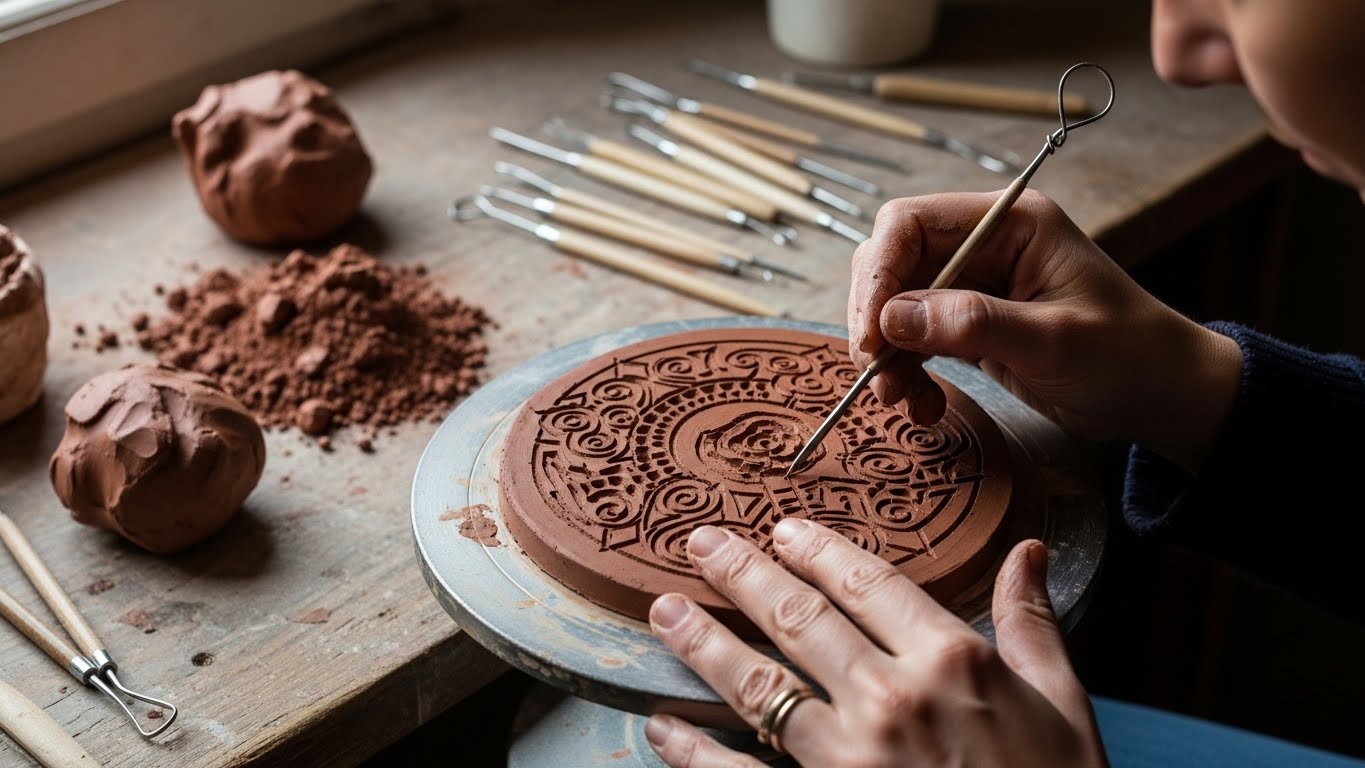
This unique style emphasizes texture and depth. By manipulating the surface treatment through layering and carving, artists achieve striking visual effects that draw viewers in.
What sets Gessolini apart is its ability to tell stories visually. Each piece reflects the artist’s personality and experiences while inviting audiences to interpret emotions through color and shape. It’s not just about aesthetics; it’s about connection and expression in every stroke.
The History and Origins of Gessolini
Gessolini has roots that trace back to ancient civilizations. This art form emerged in Italy, where artisans began experimenting with plaster techniques.
In the Renaissance era, gesso—an essential component of Gessolini—was refined and popularized by artists seeking a smooth surface for painting. Over time, this method evolved into a unique blend of sculpture and painting.
The name “Gessolini” itself derives from the Italian word for plaster, highlighting its foundational material. Artisans infused their creations with vibrant colors and intricate designs, making each piece a storytelling medium.
As Gessolini gained traction across Europe, it attracted various influences from different cultures. This melding of styles enriched the art form further as practitioners incorporated local traditions into their work.
Today, understanding its historical context adds depth to appreciating every meticulously crafted piece within this captivating discipline. The legacy continues to inspire new generations of creators who embrace its rich heritage.
Materials and Tools Used in Gessolini
Creating stunning Gessolini art requires a selection of specialized materials. The foundation often consists of high-quality plaster, which provides the perfect surface for intricate designs.
Artists also rely on vibrant pigments to infuse their work with color. These pigments can be natural or synthetic, allowing for a broad spectrum of hues and effects.
Tools play a crucial role in the process as well. Fine brushes are essential for detailing, while spatulas assist in applying and smoothing out layers of plaster.
Sponges and stencils help create unique textures and patterns within each piece. Some artists even incorporate mixed media elements like gold leaf or fabric to enhance their creations further.
The combination of these materials and tools not only shapes the final artwork but also defines the artist’s individual style within this captivating craft.
Techniques and Methods of Creating Gessolini Art
Creating Gessolini art involves a blend of traditional craftsmanship and modern creativity. Artists start by sketching their ideas on paper, laying the groundwork for intricate designs.
Once satisfied with the blueprint, they transfer these sketches onto a specially prepared surface. This step is crucial as it sets the tone for the entire piece.
Next, artists mix powdered gesso with pigments to create vibrant colors. The texture of gesso enhances depth in each layer applied. Mastery in layering is essential; artists often apply multiple coats to achieve desired effects.
Tools such as brushes, palette knives, and even spray bottles come into play during this phase. Each instrument offers unique strokes and finishes that contribute to the overall aesthetic.
Delicate detailing adds personality to every piece. Whether through fine lines or bold accents, these techniques truly bring Gessolini art to life.
Different Styles and Designs in Gessolini Art
Gessolini art showcases a remarkable array of styles and designs, each reflecting the artist’s unique vision. Traditional Gessolini often features intricate patterns inspired by nature. Flowing lines mimic organic forms, creating a harmonious connection with the world around us.
Contemporary interpretations push boundaries, experimenting with abstract shapes and bold colors. These modern pieces invite viewers to experience emotions in ways that transcend conventional aesthetics.
Textural variation plays a significant role as well. Some artists incorporate mixed media elements into their Gessolini creations, adding depth and dimension that captivates the eye.
Cultural influences also shine through various designs, from vibrant motifs rooted in heritage to minimalist approaches emphasizing simplicity. This diverse range ensures that there’s always something new to discover within Gessolini art’s evolving landscape. Each piece tells its own story while contributing to an ever-expanding narrative of creativity and expression.
The Growing Popularity of Gessolini
Gessolini is captivating a wider audience than ever before. Artists and enthusiasts alike are drawn to its intricate beauty and unique appeal.
Social media platforms play a significant role in this surge of interest. Stunning visuals shared online showcase the delicate layers and textures of Gessolini art, inspiring others to explore their creativity.
Art communities are buzzing with workshops and classes dedicated to teaching this craft. People from various backgrounds are eager to learn the techniques behind Gessolini, fostering inclusivity within the art world.
Moreover, galleries are beginning to feature Gessolini pieces prominently, expanding their reach beyond traditional boundaries. This newfound recognition validates both seasoned artists and newcomers venturing into this artistic realm.
As more individuals embrace Gessolini, it paves the way for fresh innovations within the medium. The future looks bright as new interpretations emerge on canvases everywhere.
How to Create Your Own Gessolini Masterpiece
Creating your own Gessolini masterpiece is an exciting journey. Start by gathering the right materials. You’ll need a sturdy canvas, chalk pastels, and high-quality fixative.
Sketch your design lightly with pencil. Let inspiration guide you—nature scenes or abstract shapes work beautifully in this medium.
Once your sketch is complete, apply layers of pastel to build depth and texture. Blend colors gently with your fingers or a blending tool for that signature Gessolini softness.
Don’t be afraid to experiment! Overlay colors for unique effects and use different techniques like smudging or scratching into the surface for added interest.
After finishing, secure your art with a fixative spray to preserve its vibrancy. Display it proudly as part of your collection or gift it to someone special. Each piece tells a story, so let yours shine through every stroke and shade!
The Beauty and Significance of Gessolini Art
Gessolini art captivates with its intricate designs and vibrant colors. Each piece tells a story, reflecting the artist’s emotions and experiences. This unique medium allows for endless creativity.
The beauty of Gessolini lies in its texture. The interplay between light and shadow adds depth, transforming simple forms into breathtaking visuals. Viewers often find themselves drawn into the details, discovering new elements with every glance.
Culturally significant, Gessolini embodies a rich heritage that honors traditional craftsmanship while encouraging contemporary expression. It connects communities through shared appreciation and understanding of artistry.
Creating Gessolini art fosters mindfulness as it requires patience and focus. Artists immerse themselves fully in their work, resulting in pieces that resonate on multiple levels—visually striking yet deeply personal.
Whether displayed in galleries or homes, Gessolini brings warmth to spaces and invites conversation about creativity’s role in our lives.
Conclusion
Gessolini stands as a testament to human creativity and expression. This captivating art form weaves together history, skill, and imagination in every piece created. As more artists embrace Gessolini, it broadens the horizons for artistic exploration.
Whether you’re drawn to its rich heritage or the modern interpretations emerging today, invites all to engage with its beauty. Creating your own masterpiece can be both fulfilling and enjoyable—a journey into self-expression through texture and color.
As you delve deeper into this unique art form, you’ll discover not just an aesthetic pleasure but also a connection to community and craft that transcends time. The world of Gesolini continues to evolve, inspiring new generations of artists while celebrating those who have come before them. Embrace the intricacies of Gessolini; there’s always something new waiting around every corner in this dynamic realm of artistry.